Environment & Water
SGVBS's profile describes pond and water-body work, river-related initiatives and plantation activities. Field photographs show activity, not independently measured storage gains, tree survival or completed-project totals.
This page describes recorded work. Contact SGVBS to confirm what is available now.
Read about the records ↗Work in this domain.
Explore the projects and activities recorded in SGVBS's programme documents and field archive.
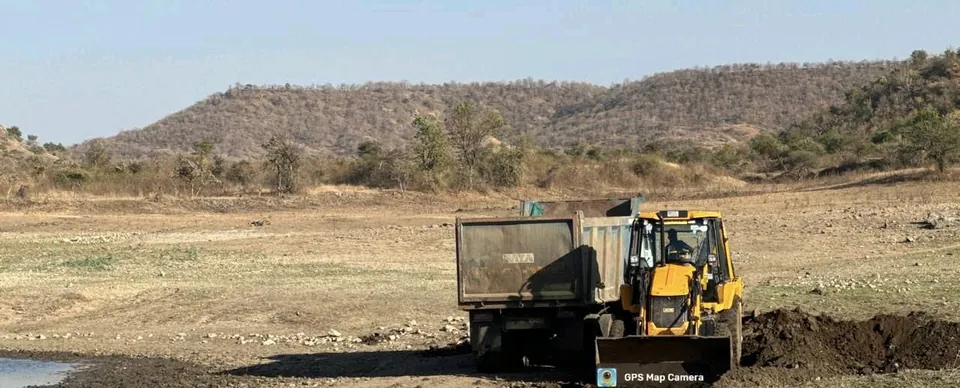
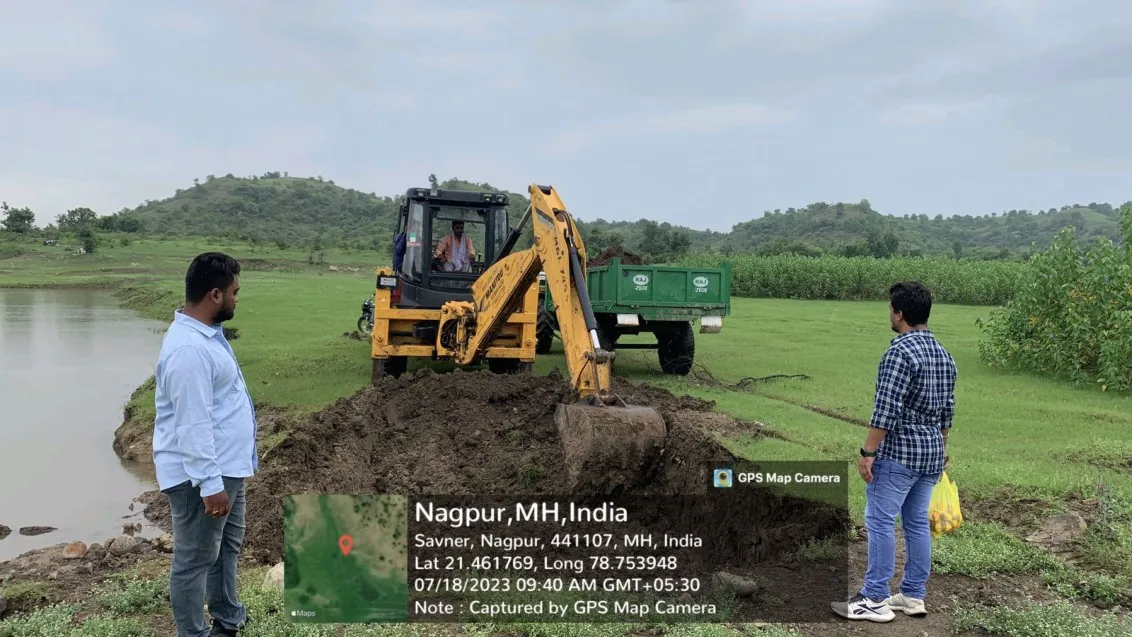
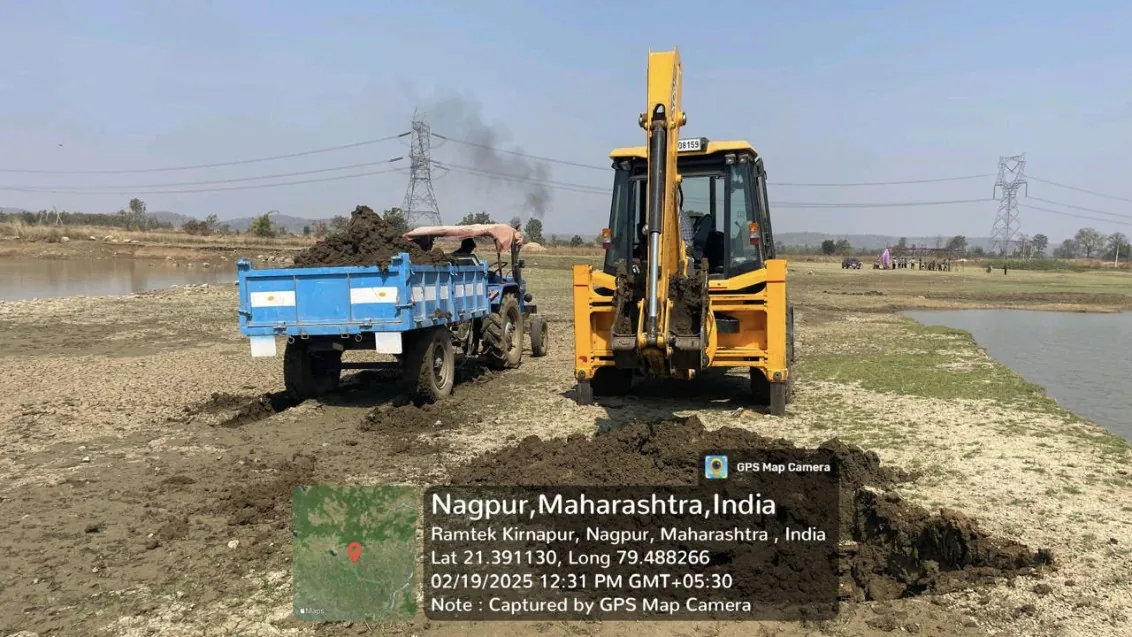
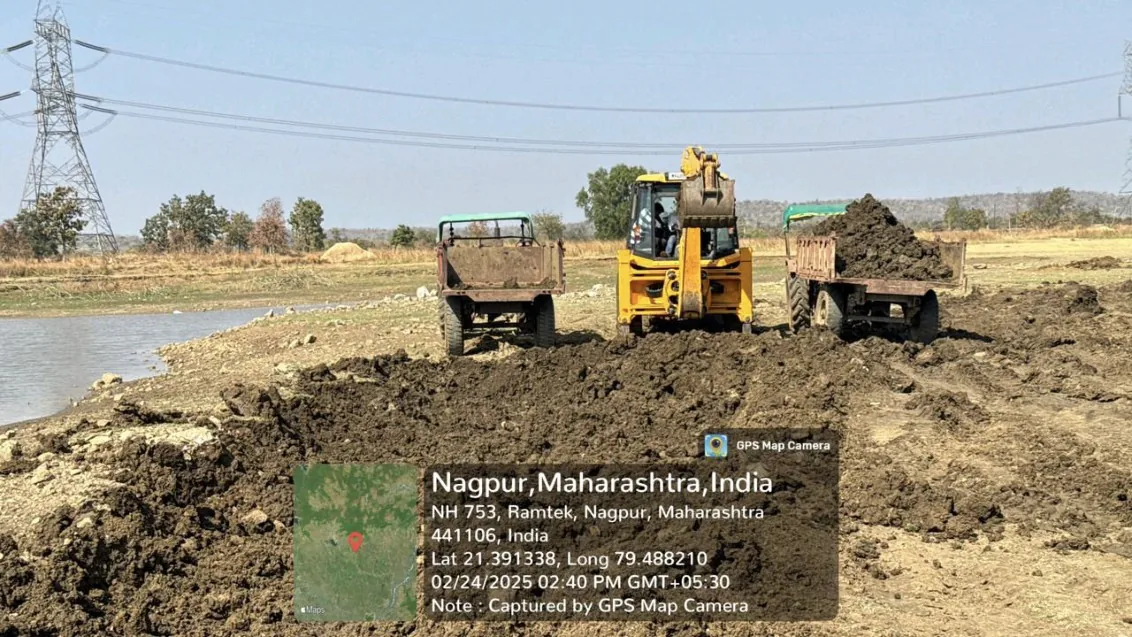
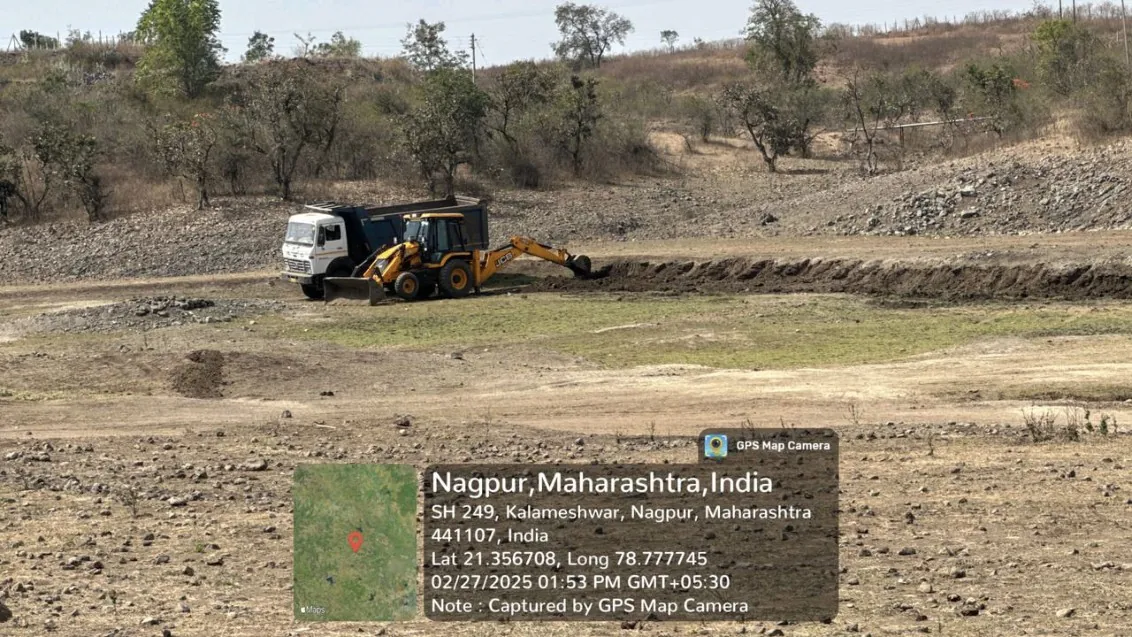
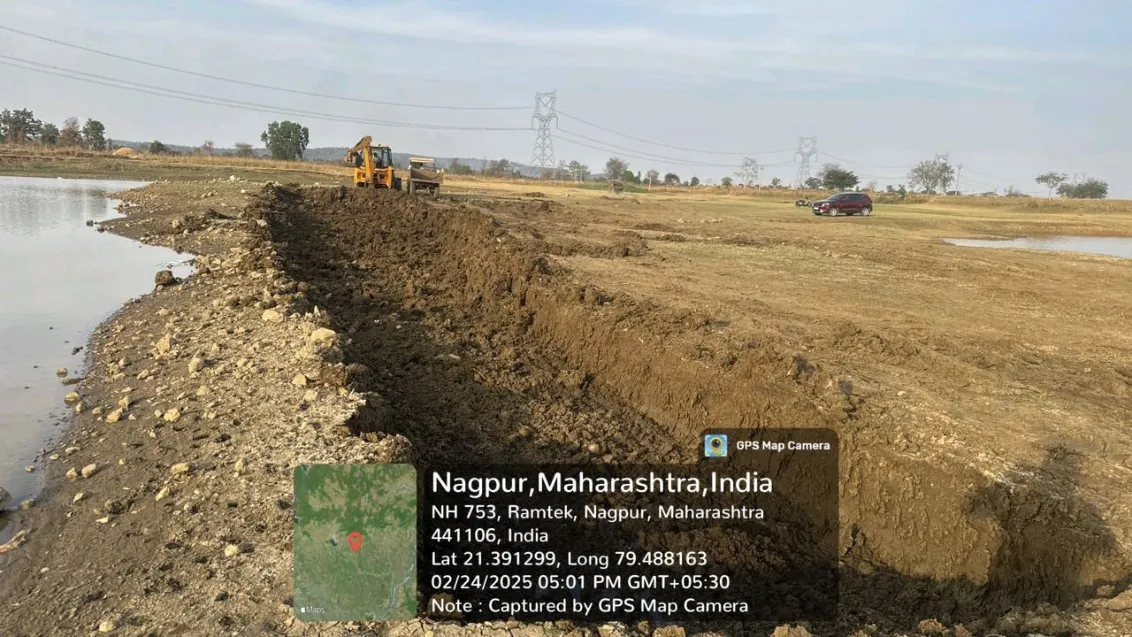
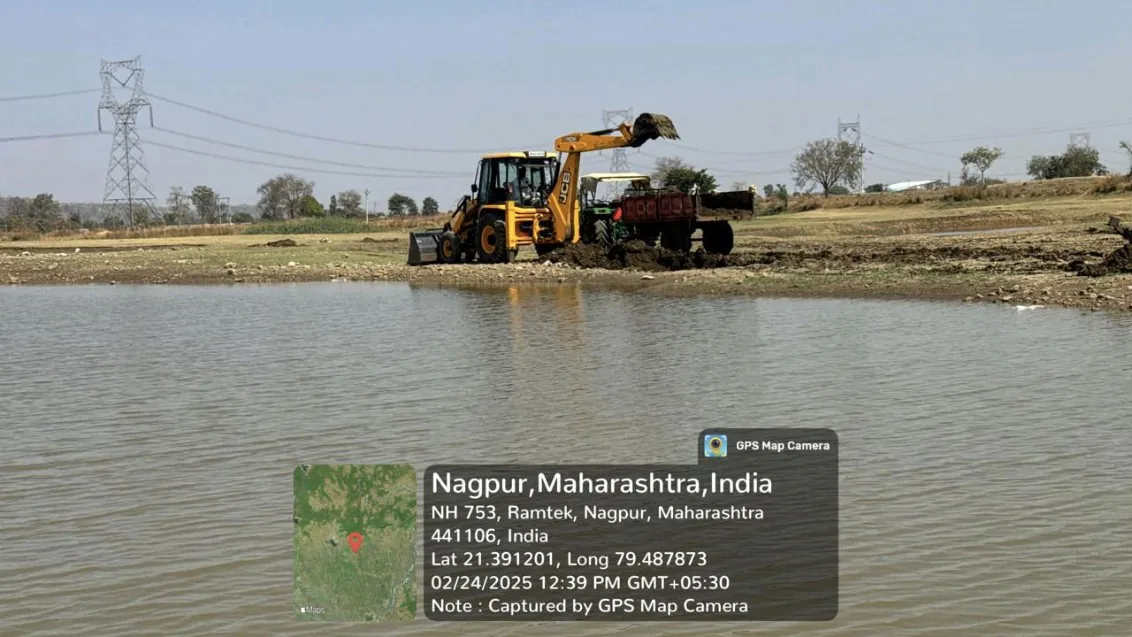
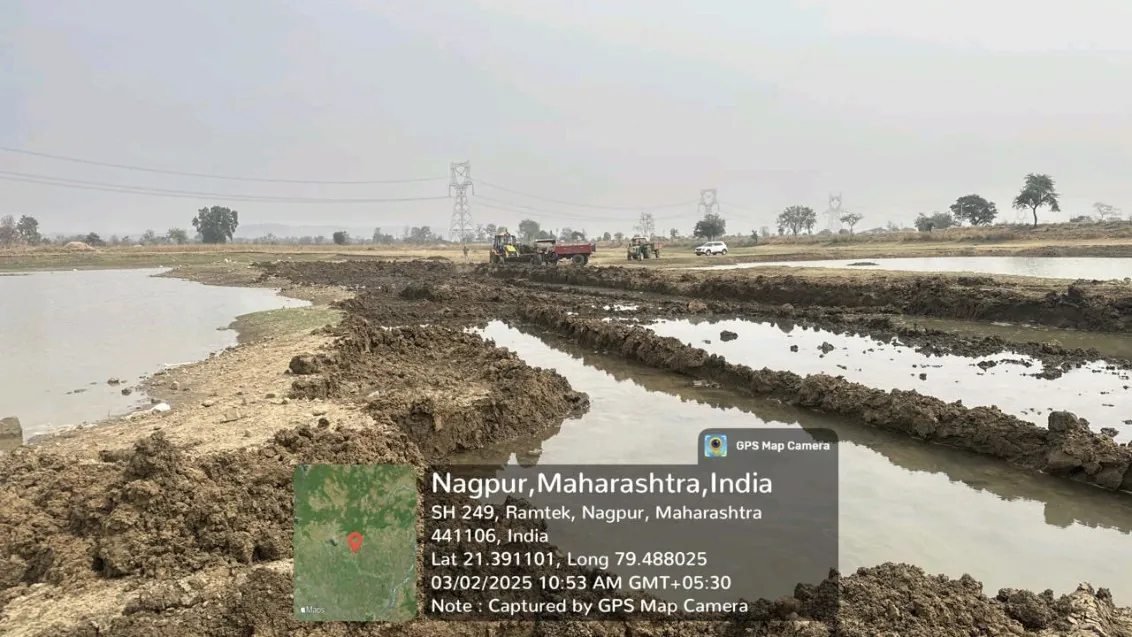
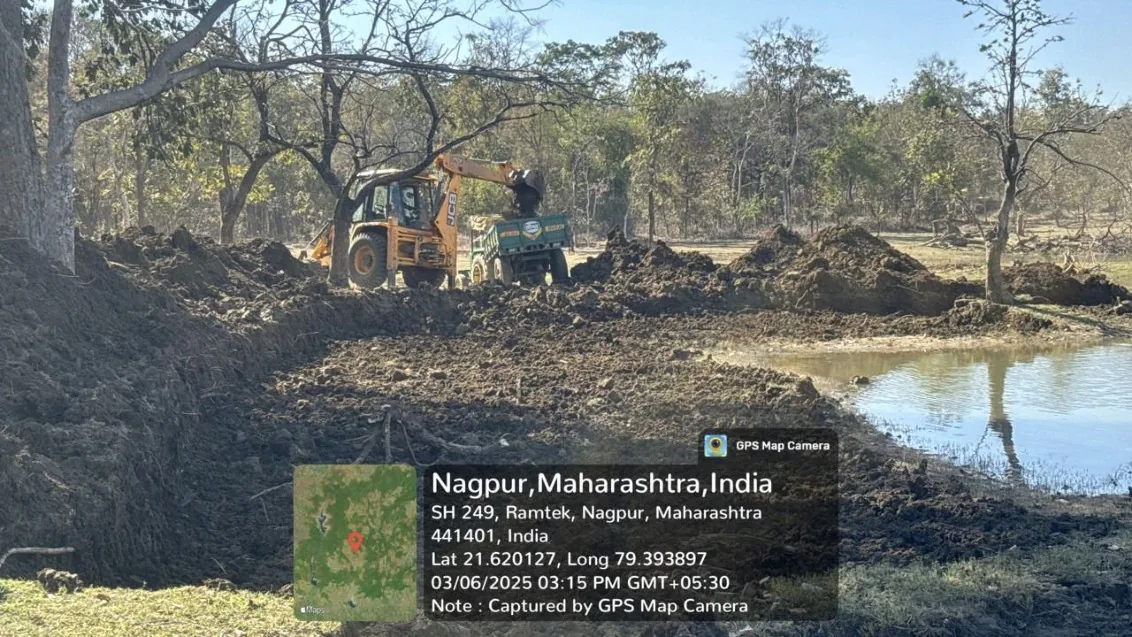
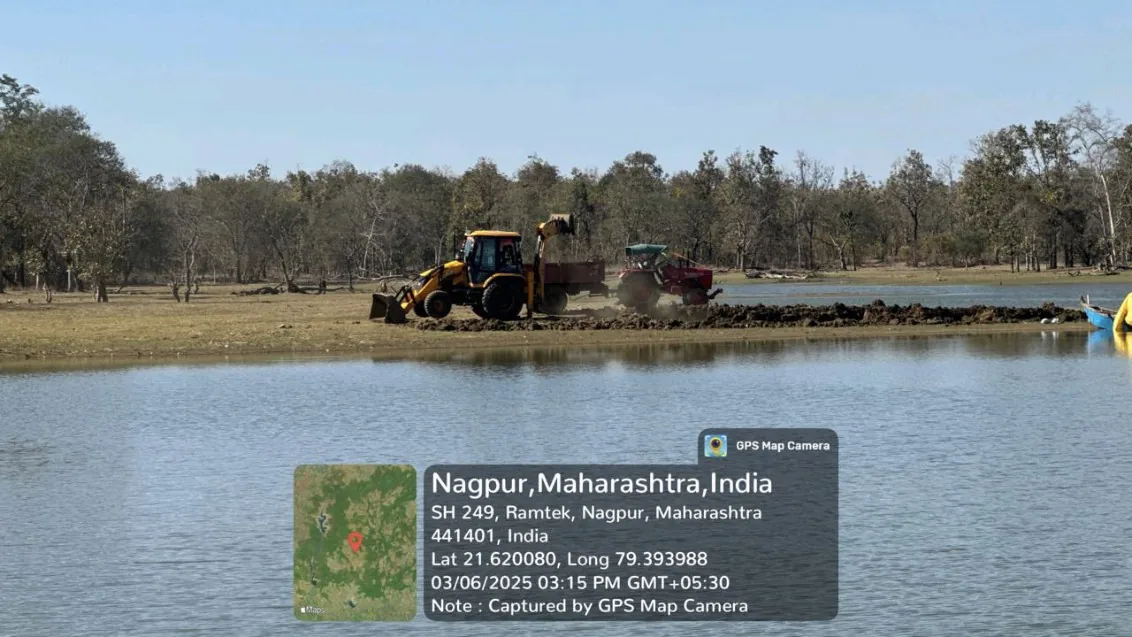
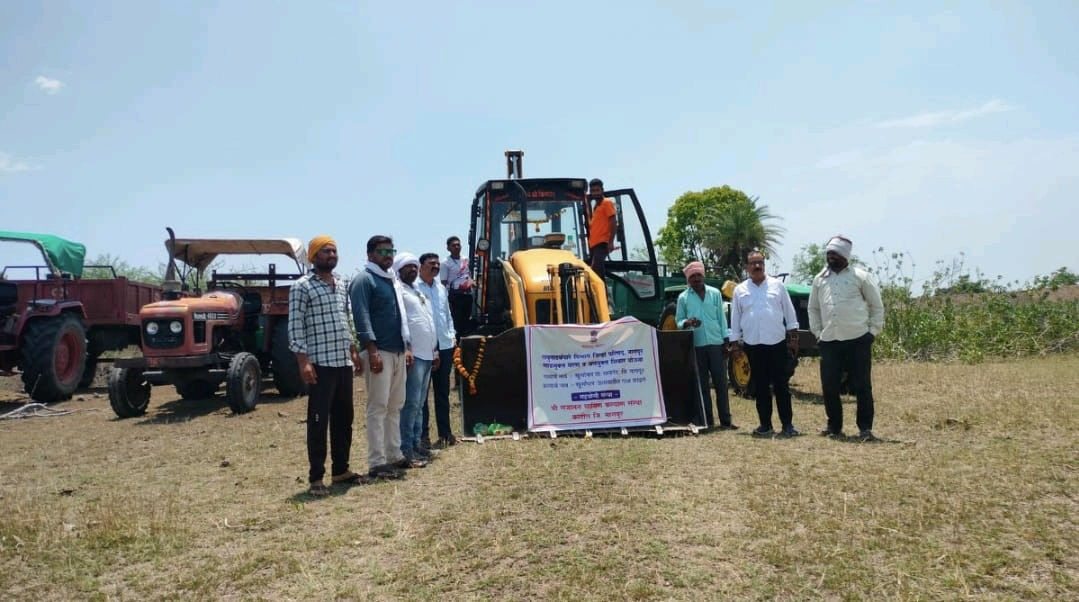
Pond rejuvenation and soil-water conservation
- Water-body rejuvenation and soil conservation, including field work shown in the archive.
- The programme record connects this work with rural water management.
Source: Organisation Profile, November 2026, p. 9; Organizational Profile & CSR Dossier, 2026, p. 7; Photo Parts 1, 2 and 4.
No water-storage, irrigation or income improvement is claimed from photographs alone.
Sediment-Free Dams and Sediment-Rich Fields
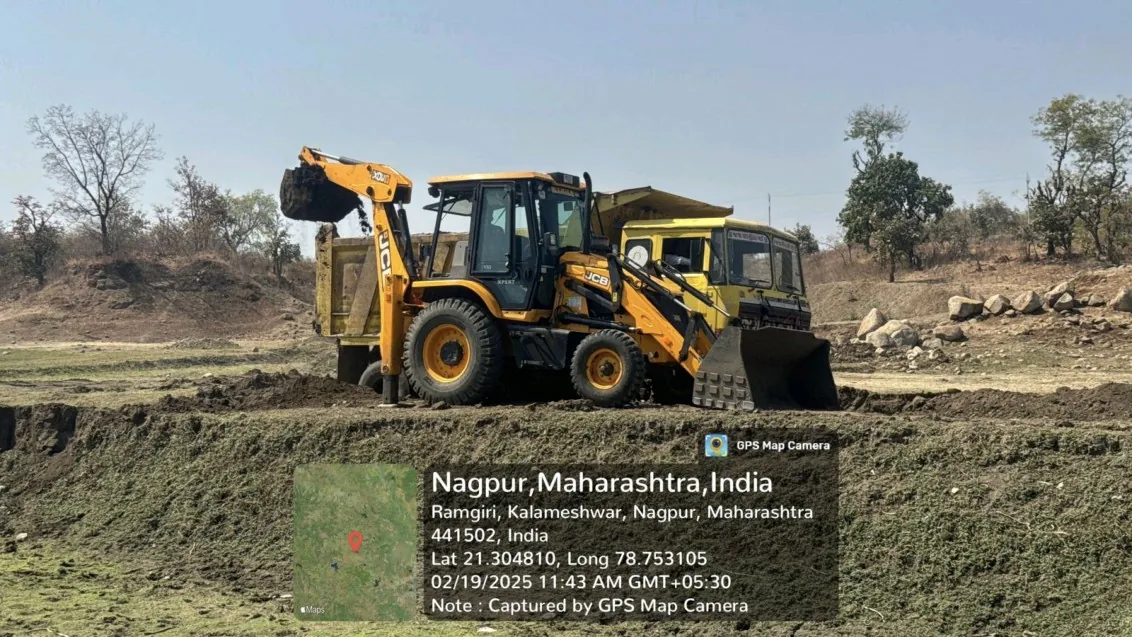
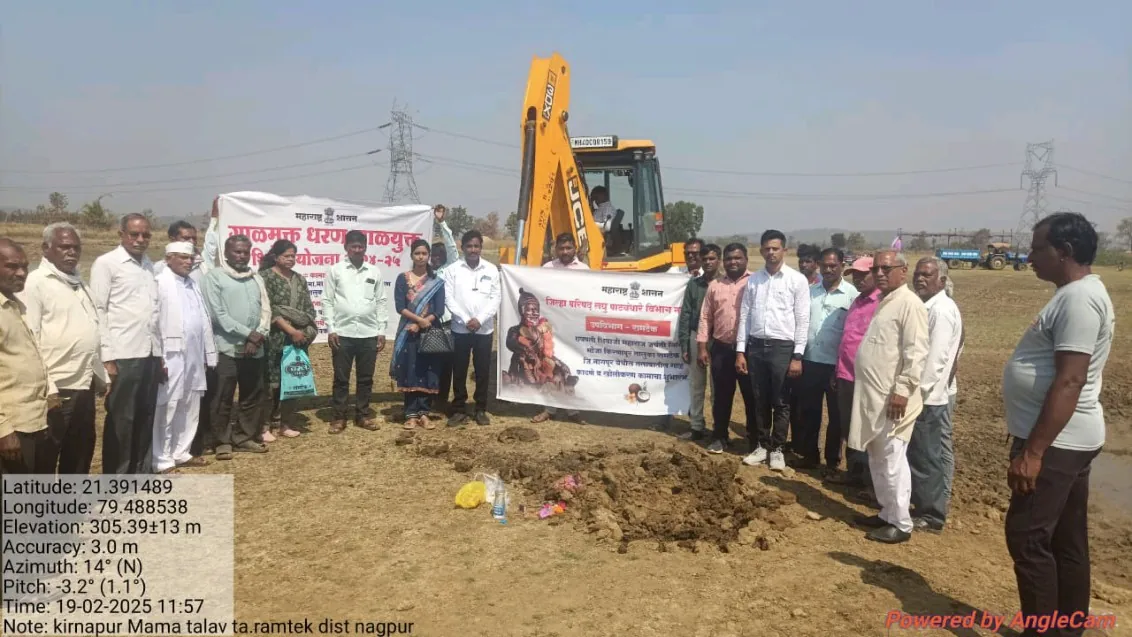
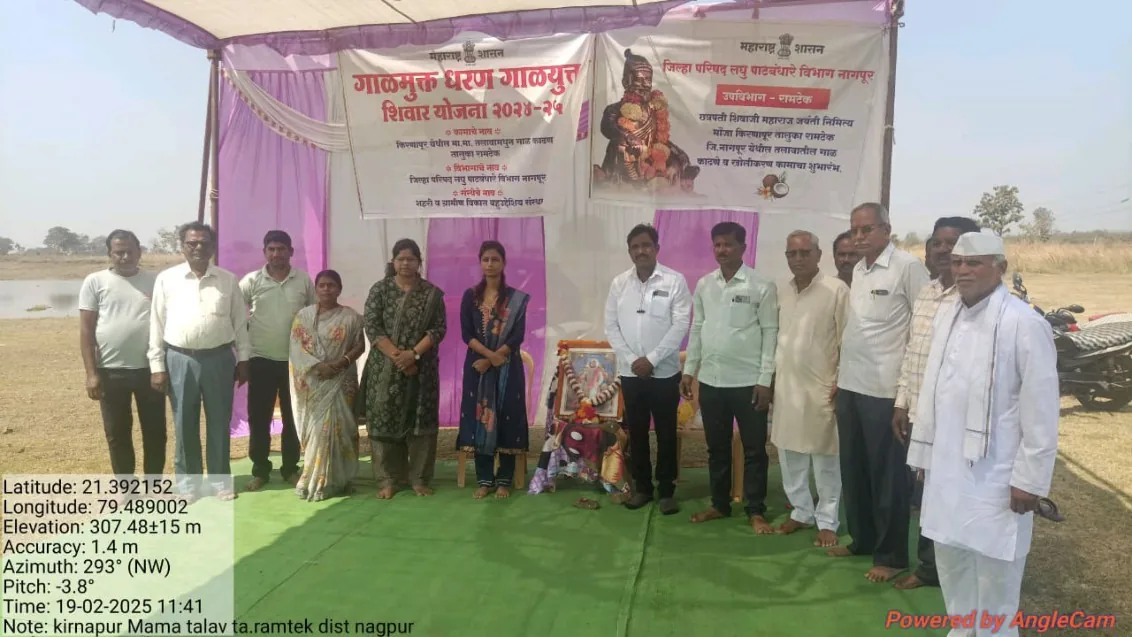
Dam desilting and use of sediment on agricultural land under Gal Mukta Dharan - Gal Yukta Shivar.
Source: Organisation Profile, November 2026, p. 15; Organizational Profile & CSR Dossier, 2026, p. 7.
Area Development and watershed-linked training
- The organisation profile describes an Area Development Programme for sustainable rural development.
- The past-orders pack also records watershed-linked training and livelihood-resource activities under IWMP.
Source: Organisation Profile, November 2026, p. 8; Past Projects Certificate and Orders, pp. 18 and 32-47.
Related records are grouped here; they are not assumed to be one single sanctioned contract.
Project Nag Ganga
River-cleaning, waste management and resource-recovery work described in the organisation's programme record in relation to the Nag River.
Source: Organisation Profile, November 2026, p. 9; Organizational Profile & CSR Dossier, 2026, p. 7.
The programme description does not establish an operating waste-to-energy plant or quantified river-restoration results.
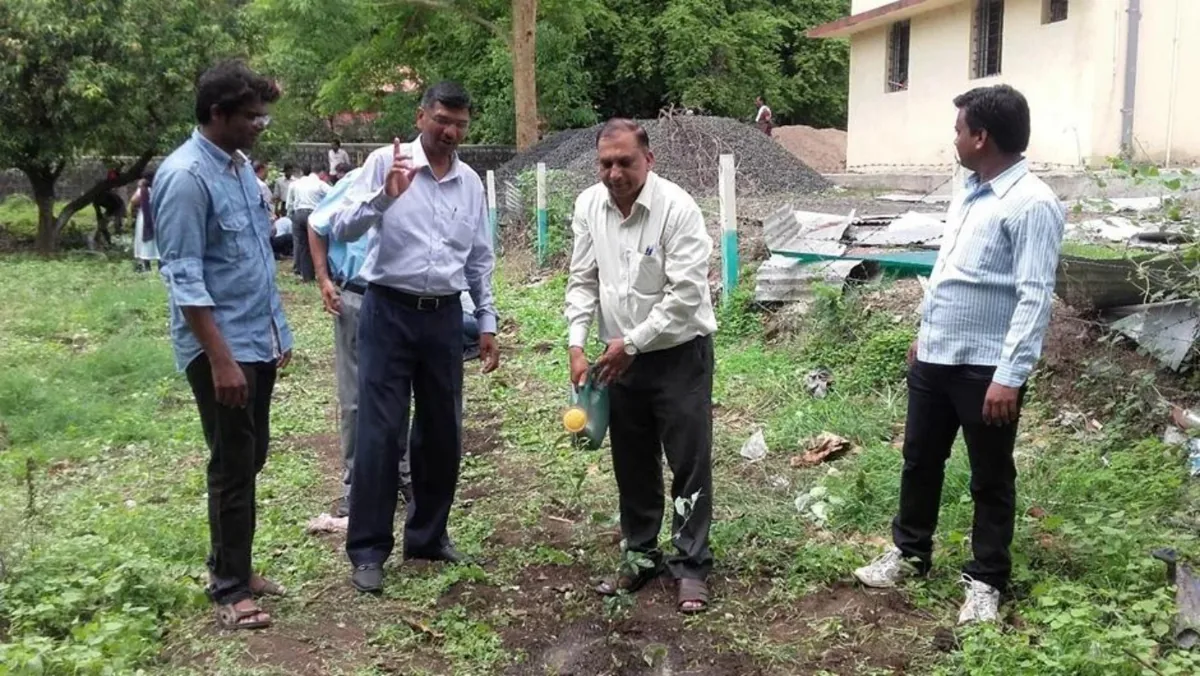
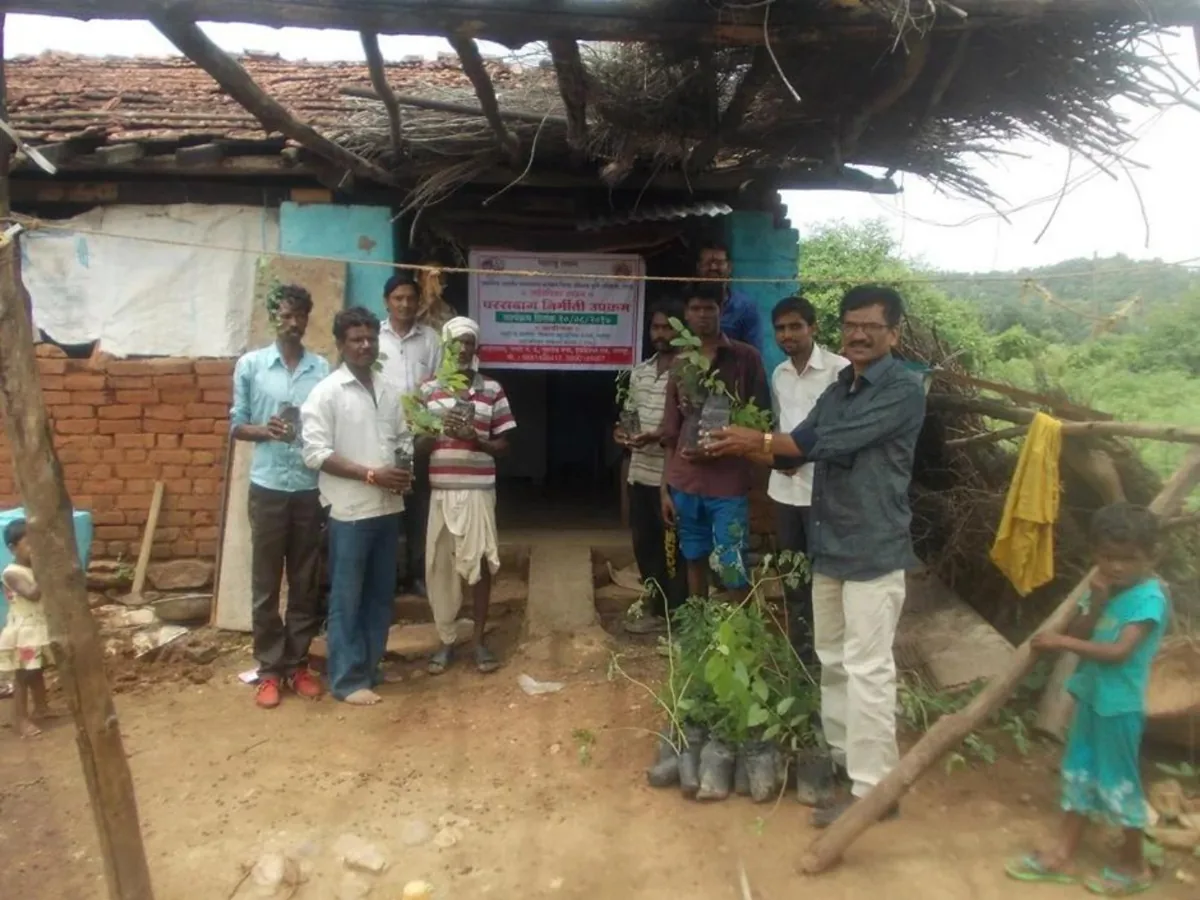
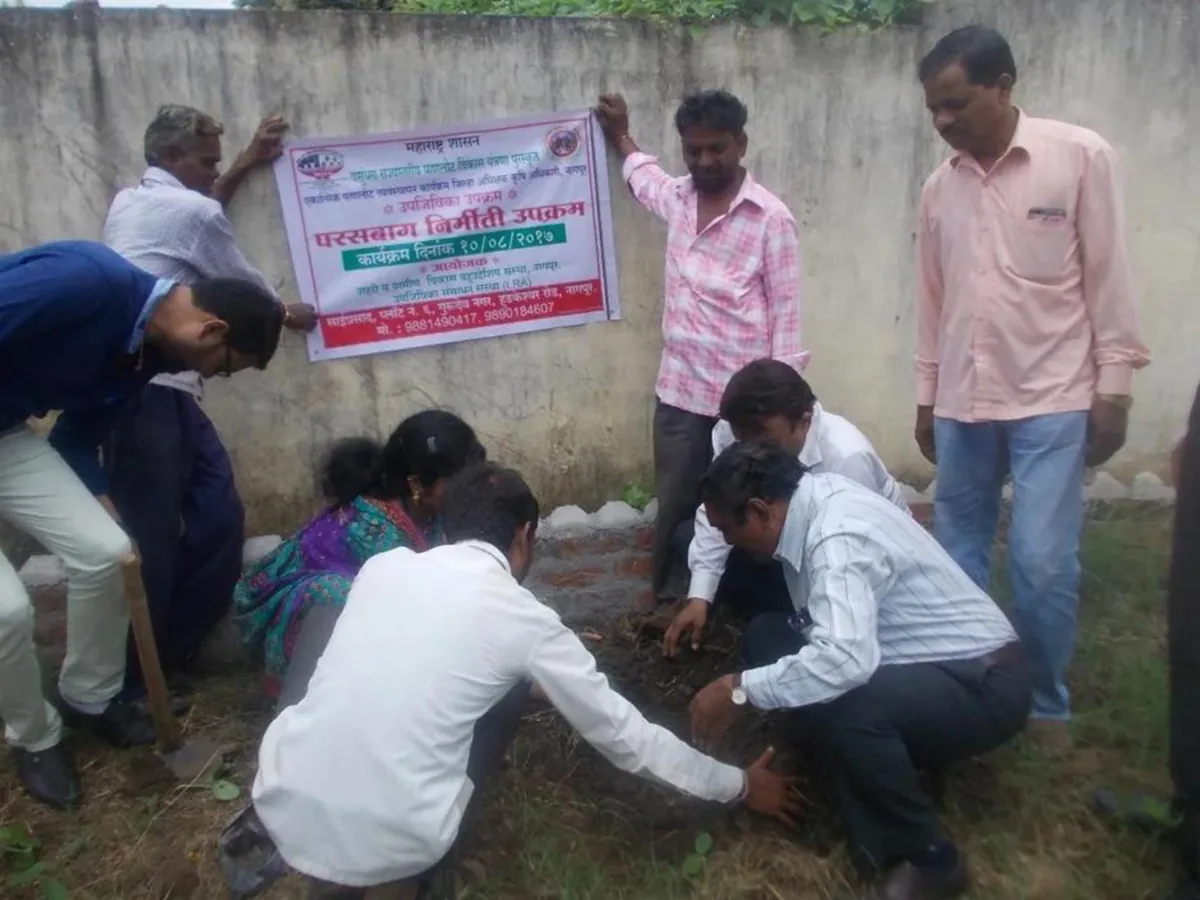
Tree plantation and environmental awareness
- Plantation, sapling care and environmental awareness form part of the activity record.
- Historical reports also describe awareness work in Gadchiroli.
Source: Organisation Profile, November 2026, p. 9; Annual Report 2023-2024 (prepared February 2025), p. 10; Photo Part 5, pp. 19 and 74.
Biochar and sustainable-agriculture initiative
Programme material describes farm-residue use, biochar and soil-health work within the sustainable-agriculture portfolio.
Source: 2026 dossier, p. 4; SGVBS annual-report narrative.
No issued carbon credits, certified removals, farm payments or verified yield gains are claimed.
Community animal-welfare activity
Feeding and care awareness for stray animals appear in the organisation profile and photographic archive.
Source: Organisation Profile, November 2026, p. 6; Photo Part 1, p. 27.
Jan Jagruti awareness rallies
- Community-awareness rallies recorded at Charmorshi and Korchi in Gadchiroli district.
- The same reporting section describes environmental-awareness activity in the district.
Source: Historical annual reports, 2017-2021, p. 4.
The short historical entry does not establish attendance, an exact event date or a measured outcome.
Programme photo archive.
Browse photographs by activity. Dates and places are given only where the source identifies them.
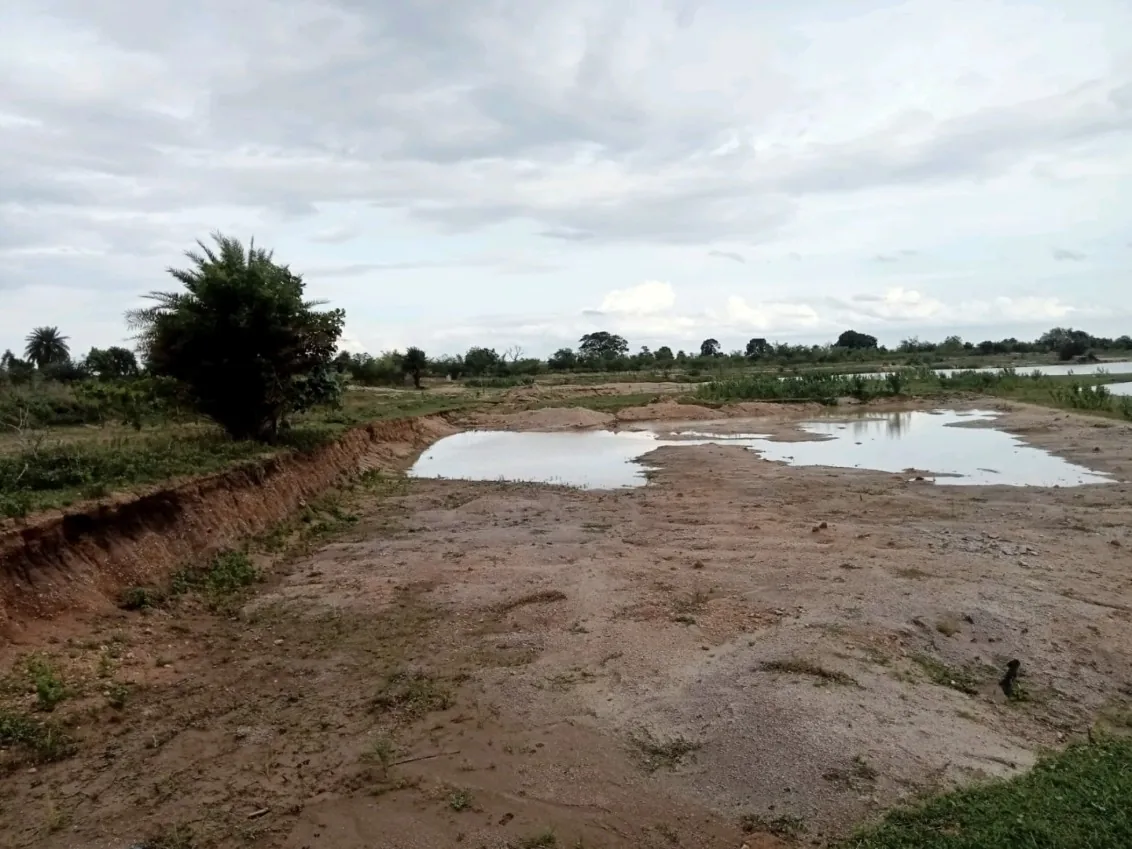
Pond rejuvenation and soil-water conservation
Read the project record ↑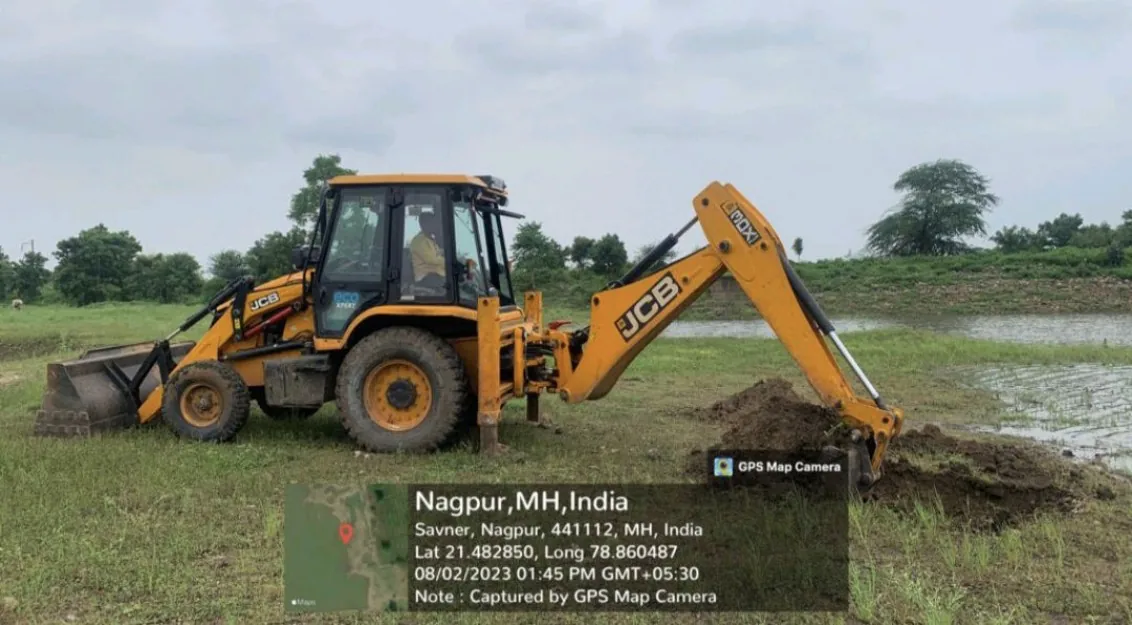
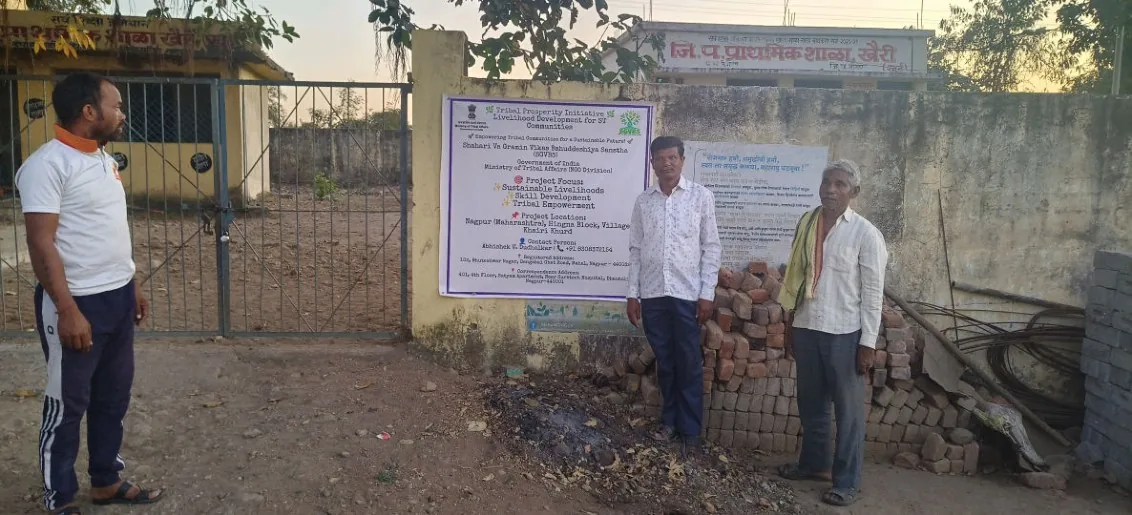
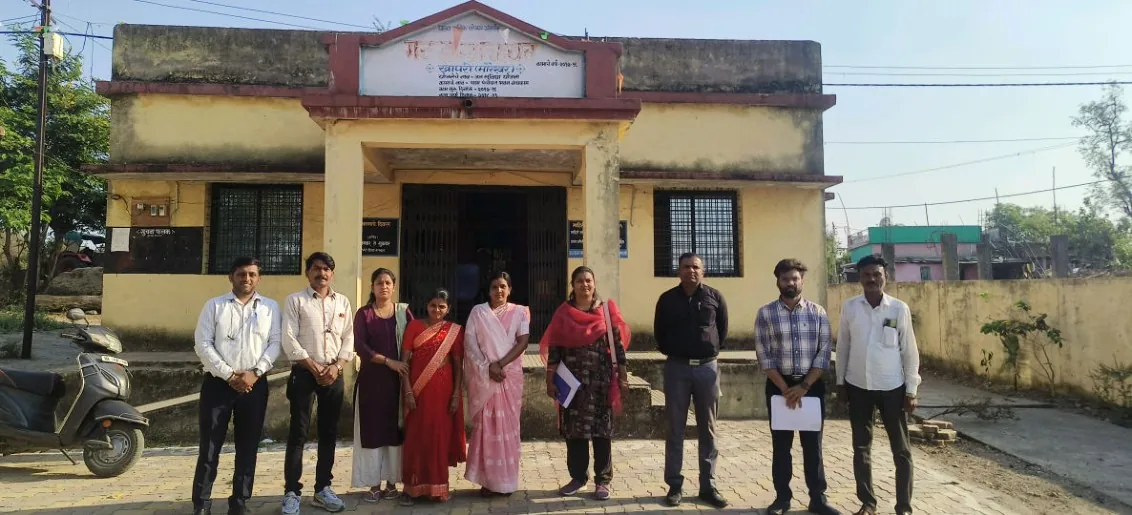
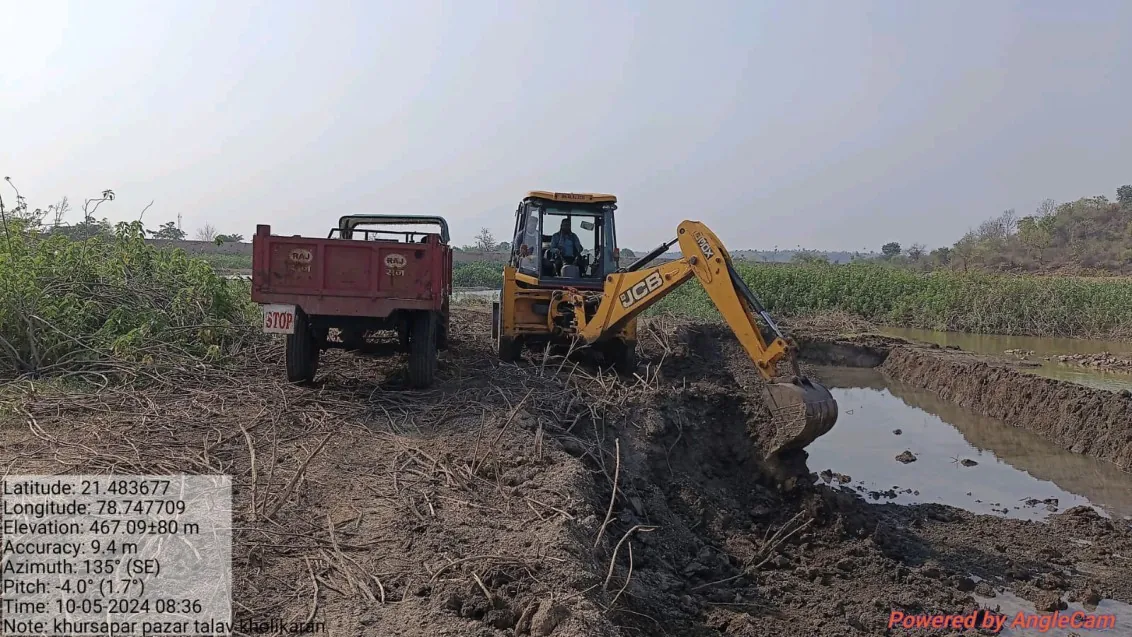
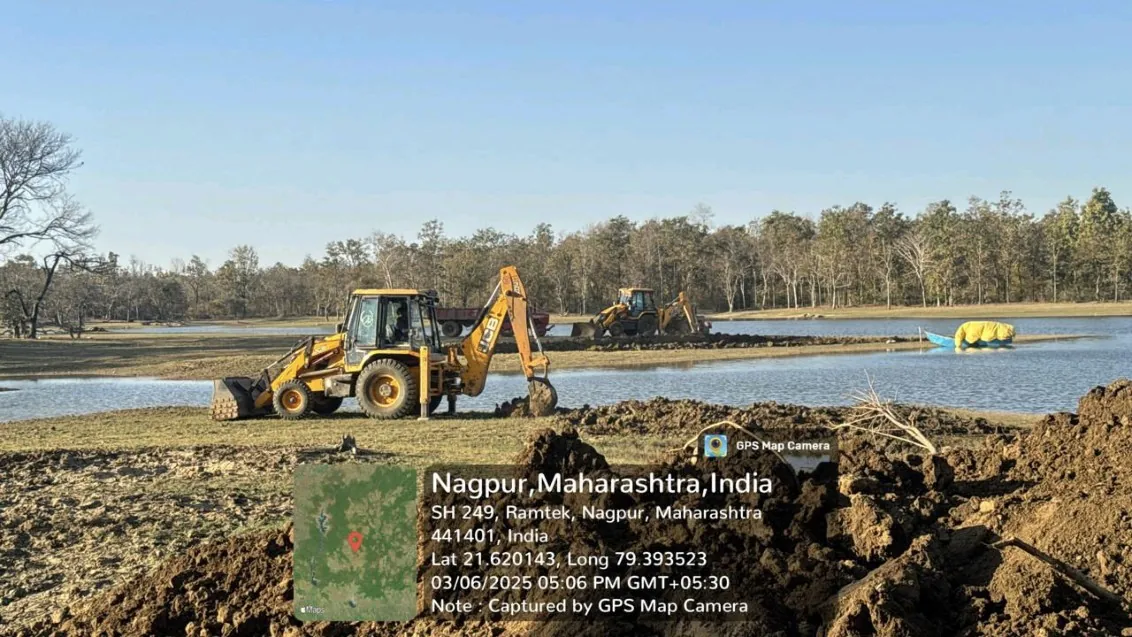
Tree plantation and environmental awareness
Read the project record ↑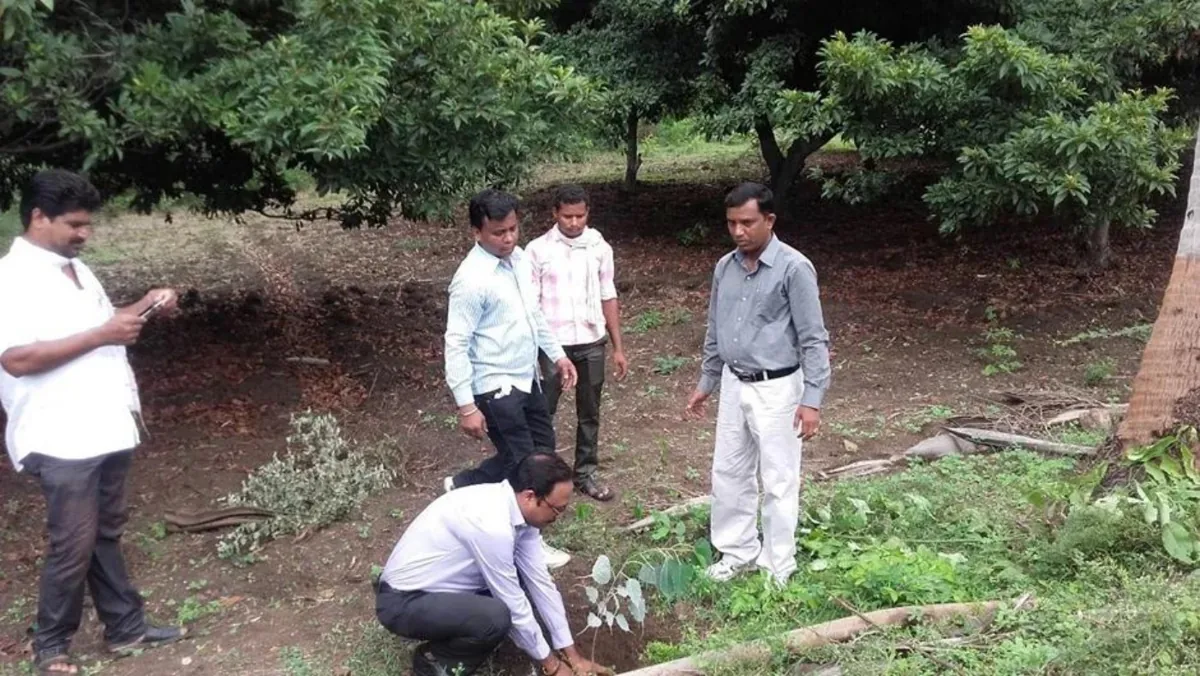
Community animal-welfare activity
Read the project record ↑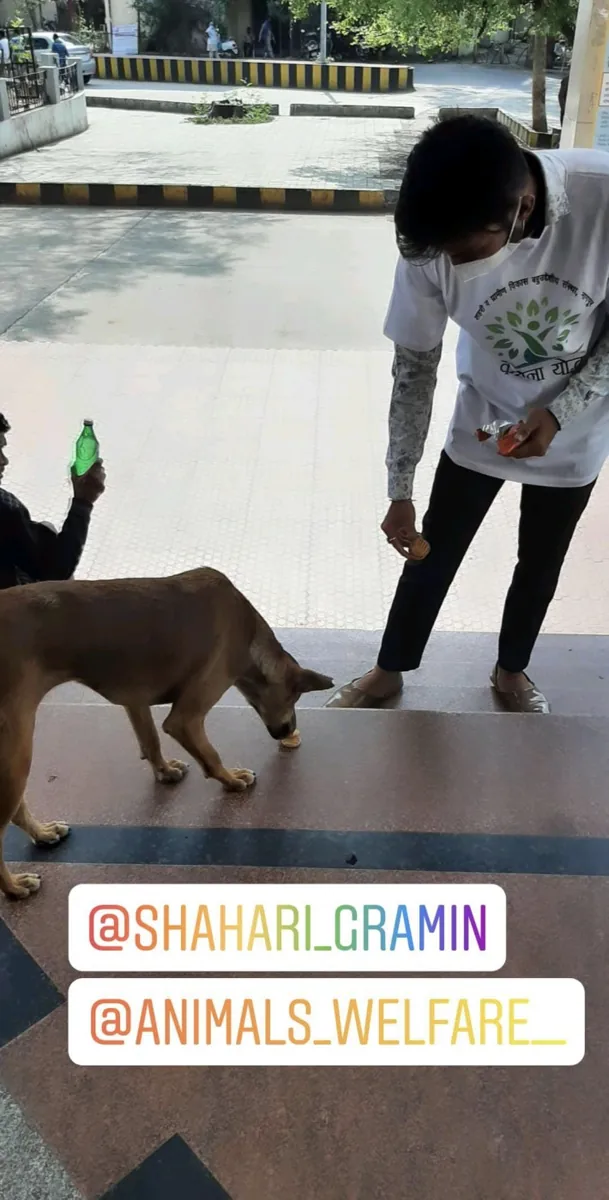
Areas of work.
Water-body work
Archive scenes show earthwork and field activity near water bodies.
Plantation and care
Sapling distribution, planting and care appear in the photograph collection.
Evidence that matters
Completion, storage capacity and survival rates should come from dated project records and follow-up, not photographs alone.
A closer look.
Dates and sources.
Reporting period
Project dates and reporting periods are given with each activity above. Historical records are not a current programme timetable.
Source basis
SGVBS organisation profiles, annual reports, training orders, inspection records and photographs. Each project entry names its supporting document and page where available.
Read the context. Ask for the record.
Ask about this programme.
Ask about the location, current activities and ways to take part or offer support.