Women & Self-Help Groups
SGVBS's records describe Self-Help Group work from 2006, skills and enterprise learning, and community-awareness activities for women. Dates and source context appear with each activity below. Contact SGVBS about current activities.
This page describes recorded work. Contact SGVBS to confirm what is available now.
Read about the records ↗Work in this domain.
Explore the projects and activities recorded in SGVBS's programme documents and field archive.
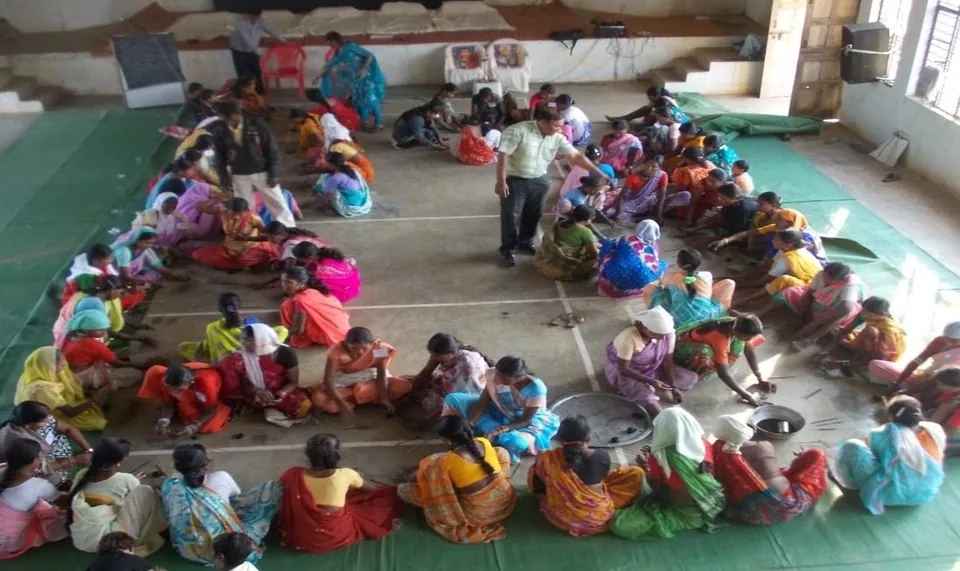
Self-Help Group mobilisation and enterprise
Women's group mobilisation, leadership, financial literacy, skills and small-business support are recurring parts of the programme record.
Source: Organisation Profile, November 2026, pp. 3-5; Organizational Profile & CSR Dossier, 2026, pp. 2 and 7.
No loan availability, interest rate or current finance offer is implied.
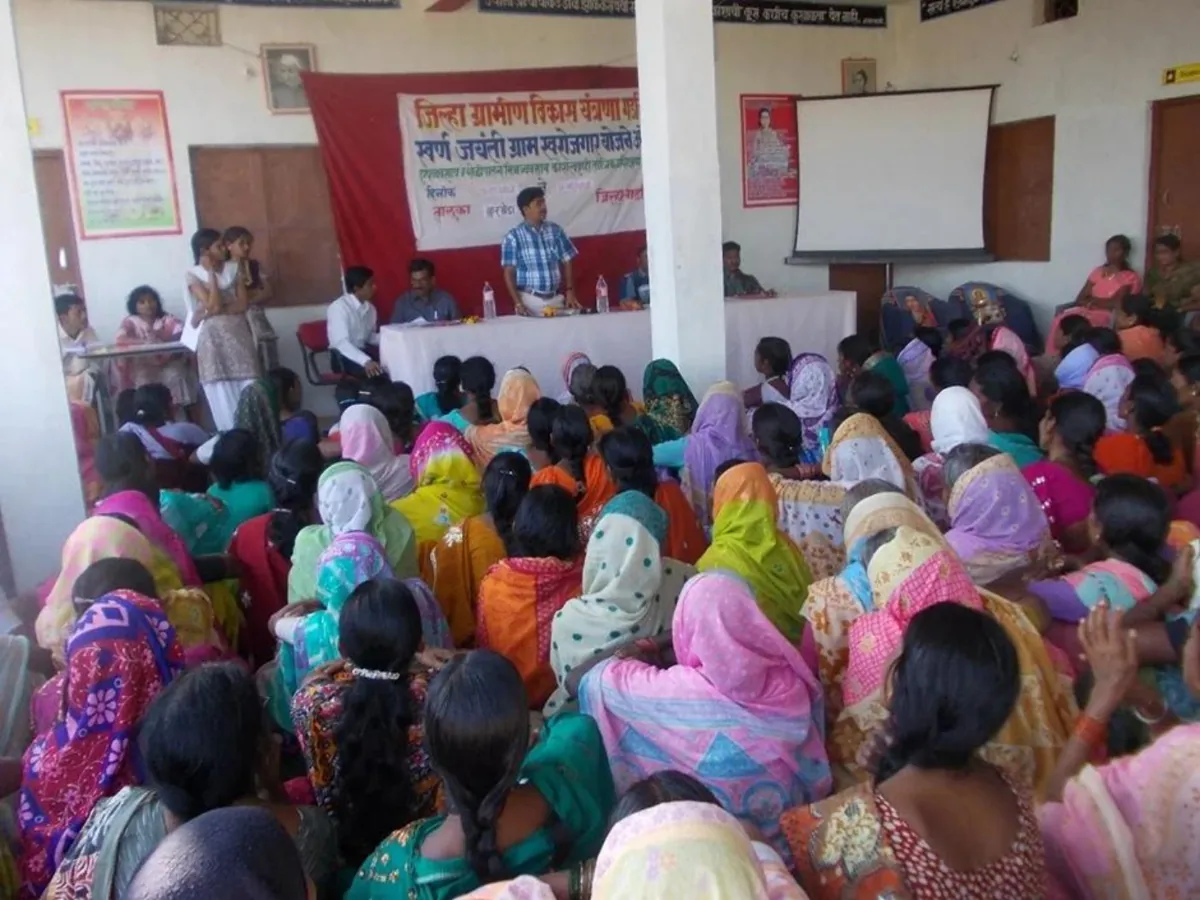
Swarnjayanti Gram Swarozgar Yojana (SGSY)
- Skill-building and self-employment training for Self-Help Groups.
- The orders specify residential training, trade-related learning and group development.
Source: Organisation Profile, November 2026, p. 8; Past Projects Certificate and Orders, pp. 4-5, 7 and 13-15.
The source table also uses SGRY in one place; this page uses the SGSY name supported by the orders.
National Rural Livelihood Mission, Gadchiroli
Livelihood and skills work with rural and tribal communities, including women's enterprise and income-generating activities.
Source: Organisation Profile, November 2026, pp. 8 and 13; Organizational Profile & CSR Dossier, 2026, p. 7.
Community Development Centre, Mahal
- A community hub for educational support, computer and functional-skills learning, vocational activities and awareness of government schemes.
- The profile describes tailoring, mathematics and English alongside youth and women's learning.
Source: Organisation Profile, November 2026, pp. 10 and 14; Photo Part 2, pp. 5-9.
The programme record does not establish a current timetable or admission offer.
International Women's Day programmes
Community gatherings and awareness programmes marking International Women's Day, with speakers and local participation recorded in the annual reports.
Source: Historical annual reports, 2017-2021; Annual Report 2023-2024 (prepared February 2025), p. 11.
The historical text mentions March 2013 and March 2014 within later annual-report sections. These are not treated as independently verified event dates.
Domestic Violence Act awareness
Legal-awareness programmes discussing domestic violence and its effect on women's lives, with invited legal resource persons.
Source: Historical annual reports, 2017-2021; Annual Report 2023-2024 (prepared February 2025), p. 11.
Anti-human-trafficking awareness
Awareness sessions in social-work colleges, schools and community spaces.
Source: Historical annual reports, 2017-2021; Annual Report 2023-2024 (prepared February 2025), p. 11.
Menstrual-health awareness
Community education on menstrual hygiene and reducing stigma, as described in the organisation's history.
Source: Organisation Profile, November 2026, p. 6.
Girl-child education-rights awareness
Awareness sessions on education rights for girls, described in the historical report under the Beti Padhao, Beti Bachao theme.
Source: Historical annual reports, 2017-2021, pp. 2 and 9.
A recorded awareness activity, not a verified enrolment or retention result.
Programme photo archive.
Browse photographs by activity. Dates and places are given only where the source identifies them.
Self-Help Group mobilisation and enterprise
Read the project record ↑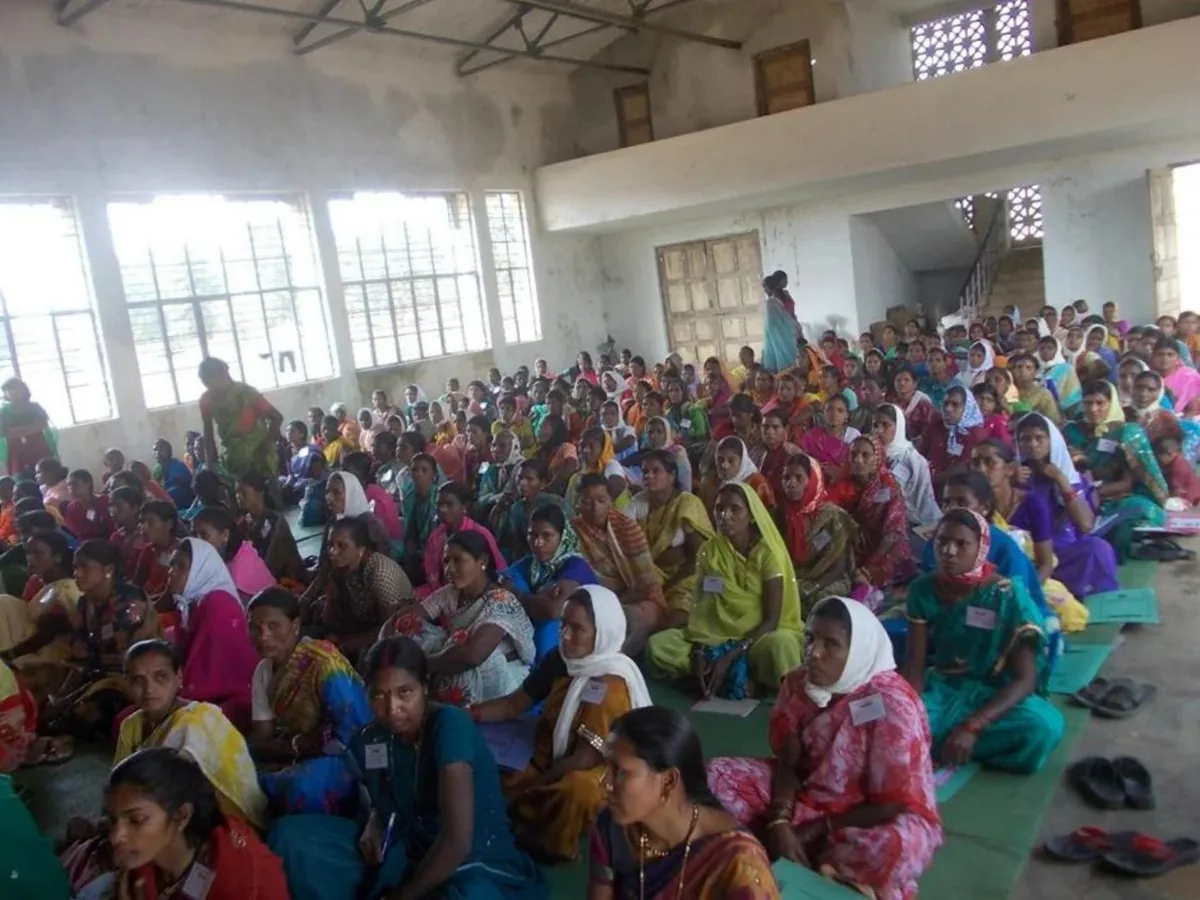
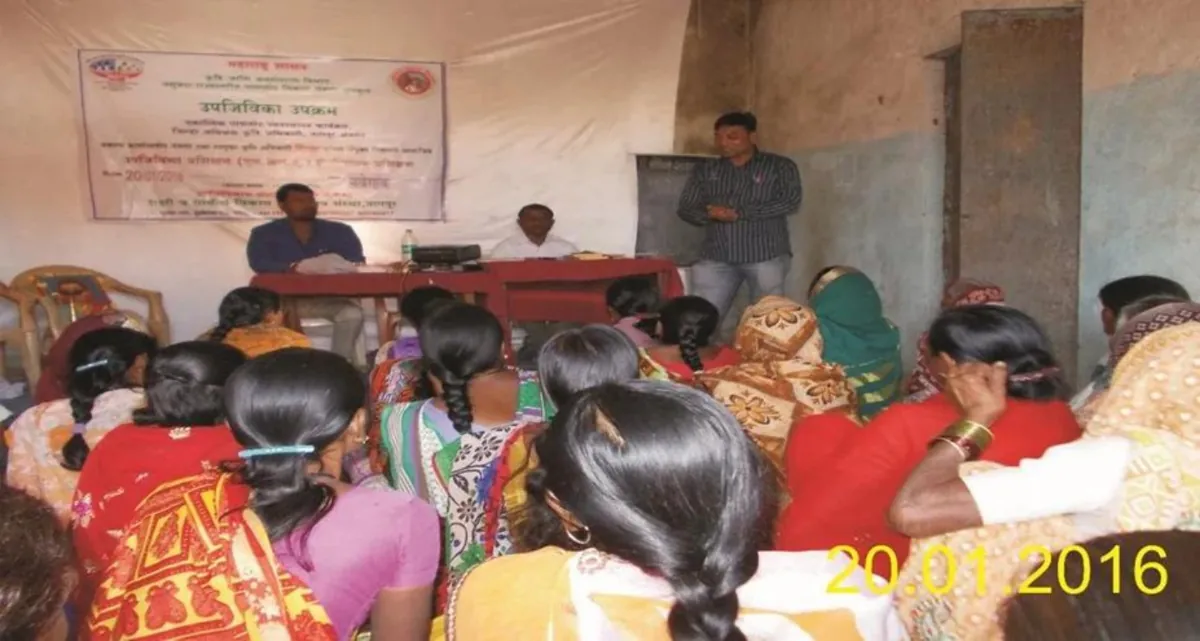
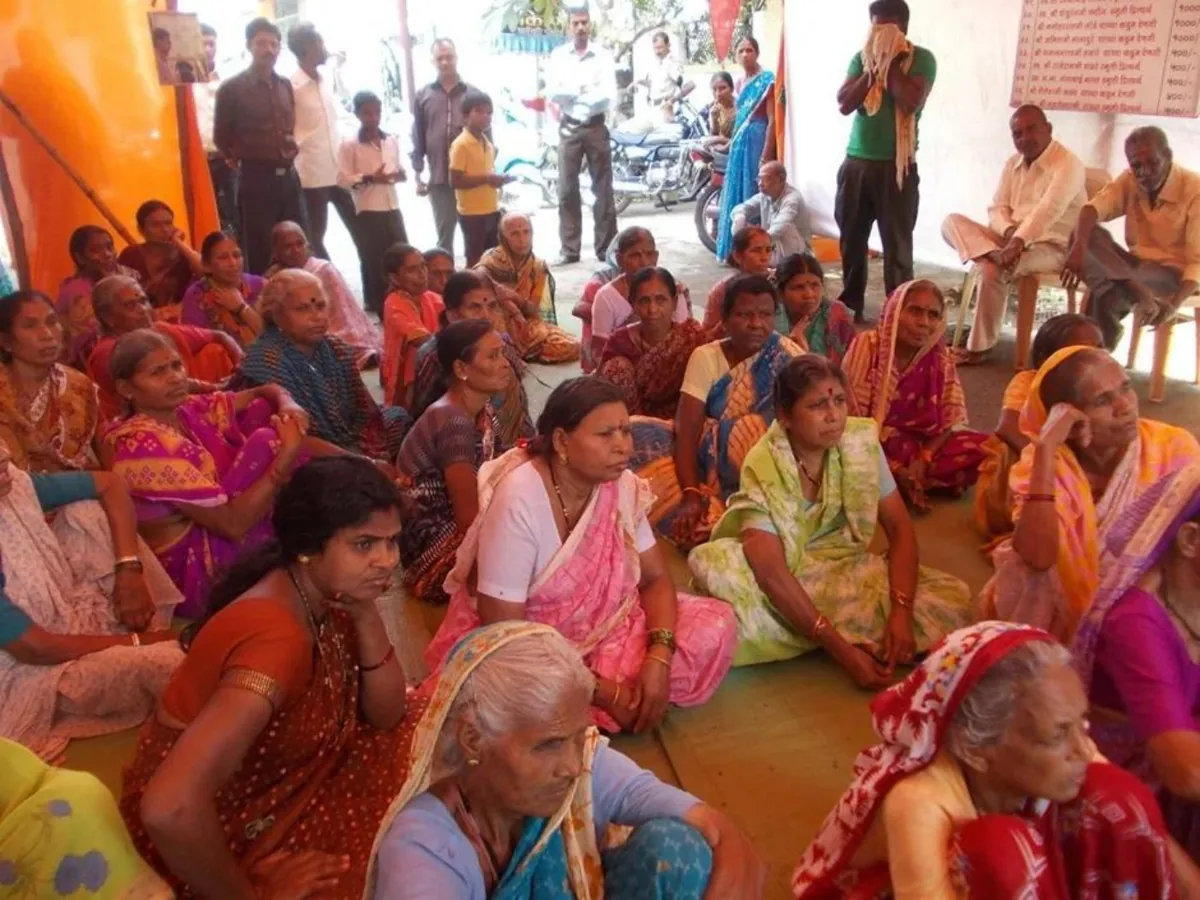
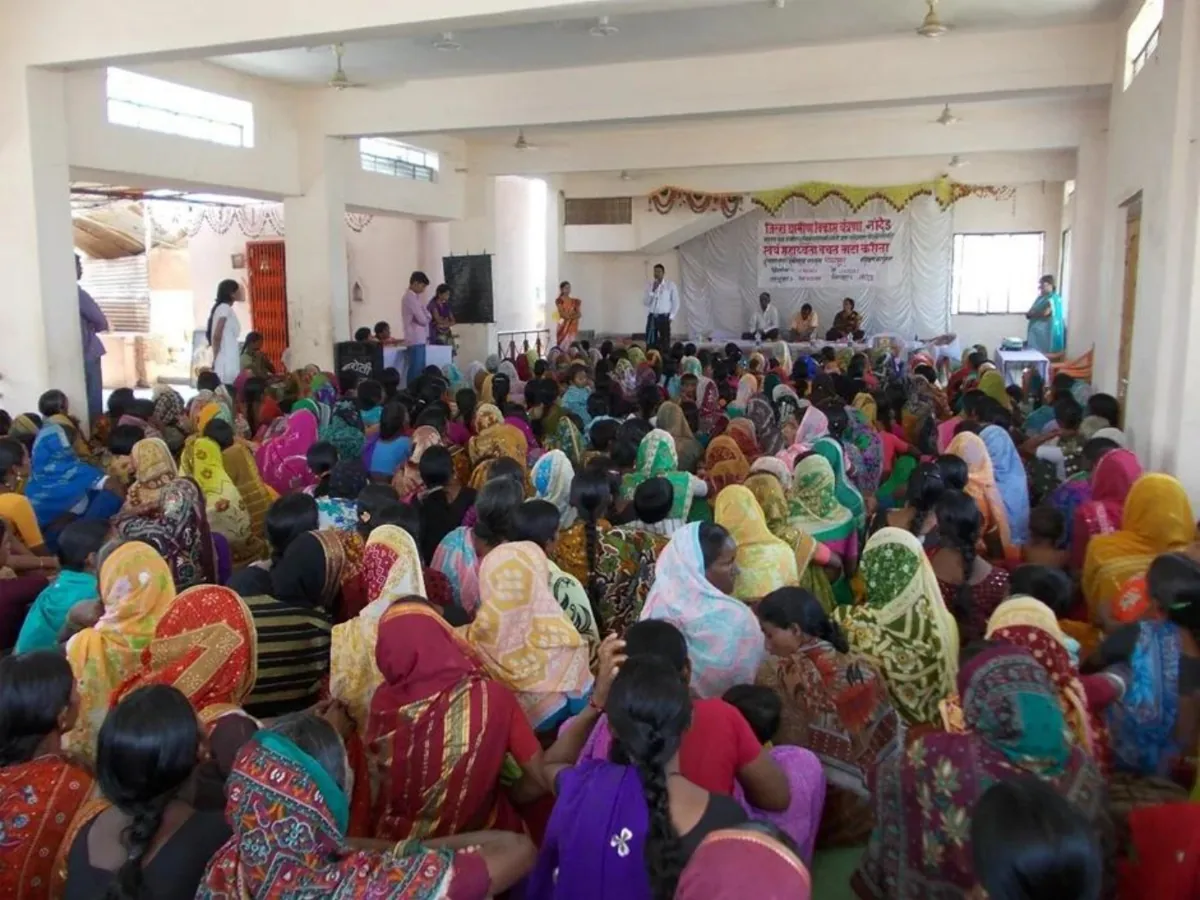
Areas of work.
Working together
Self-Help Groups and collective participation are described in the organisation profile.
Enterprise and learning
Women's learning and entrepreneurship support are areas of recorded work.
Clear measures
Group membership, attendance, income and business outcomes are different measures; each needs its own evidence.
Dates and sources.
Reporting period
Project dates and reporting periods are given with each activity above. Historical records are not a current programme timetable.
Source basis
SGVBS organisation profiles, annual reports, training orders, inspection records and photographs. Each project entry names its supporting document and page where available.
Read the context. Ask for the record.
Ask about this programme.
Ask about the location, current activities and ways to take part or offer support.